

At Thanal, we believe in the transformative power of sustainable agriculture, where the synergy between ecological and social principles forms the foundation for resilient and equitable food systems. Our Agroecology and Biodiversity Conservation program is not just a set of practices; it is a holistic approach encompassing science, community engagement, and a commitment to a healthier planet.
Agroecology is a comprehensive system that integrates ecological, socio-cultural, technological, economic, and political dimensions into the design and management of sustainable agriculture and food systems. It goes beyond fields and farms, addressing the entirety of food systems. As a science, a set of practices, and a social movement, agroecology seeks to optimize interactions between plants, animals, humans, and the environment while ensuring socially equitable food systems.
Agroecology food systems build resilience by promoting local knowledge, conserving biodiversity, and fostering sustainable connections between people and the planet.
Thanal’s commitment to agroecology and biodiversity conservation is grounded in long-term, hands-on practice. Through dedicated learning sites and conservation centres,
the organisation demonstrates how ecological farming, biodiversity protection, and traditional knowledge can be sustained and shared across generations.
Why Agroecology and Biodiversity Conservation?
In a world where the interconnected challenges of poverty, hunger, health, and natural resource management demand integrated solutions, agroecology emerges as a guiding framework. It aligns with the 2030 Agenda for Sustainable Development, emphasizing the urgent need for transformational change. Agroecology respects human rights, promotes inclusive growth, and manages natural resources sustainably in the context of climate change and biodiversity loss.
Thanal, in alignment with FAO’s 10 Elements of Agroecology, has been a pioneer in promoting organic farming and advancing biodiversity and conservation Kerala for over two decades. Our approach is not one-size-fits-all; instead, it adapts to local contexts, considering constraints and opportunities. The conservation of agro biodiversity is essential for maintaining productive and climate-resilient agricultural systems. Through our Agroecology and Biodiversity Conservation program, we strive to sensitise communities and policymakers to the importance of holistic land use, preventing environmental disasters and fostering social harmony.

Promoting Sustainable Agriculture
Advocate for and implement sustainable farming practices rooted in Agroecology, ensuring the well-being of ecosystems and local communities.

Biodiversity and Conservation
Work towards the preservation of biodiversity by sensitizing communities and policymakers on the critical role ecosystems play in supporting livelihoods and fostering harmony

Facilitating farmers
Providing farmers with essential resources such as trainings, workshops, PGS Certification (Participatory Guarantee System), and Mobile Organic Agri Clinic Services for practical guidance and support, promoting economic independence within an ecologically responsible framework.

Research, Advocacy, and Action
Conducting research on Agroecological practices, collaborating with stakeholders, and implementing educational initiatives to promote sustainable living. Advocating for policy changes to integrate Agroecological principles into agricultural policies, fostering holistic and sustainable practices. Partnering with organizations and communities to advance Agroecology and biodiversity conservation goals.

Ecosystem Health and Resilience
Undertake initiatives for ecosystem restoration and systematic biodiversity monitoring, contributing to overall environmental health and resilience.

Education and Collaboration
Implement educational programs, collaborate with stakeholders, and facilitate farmers with essential resources, fostering a generational shift towards sustainable living and thriving ecosystems.
Agroecology in Practice
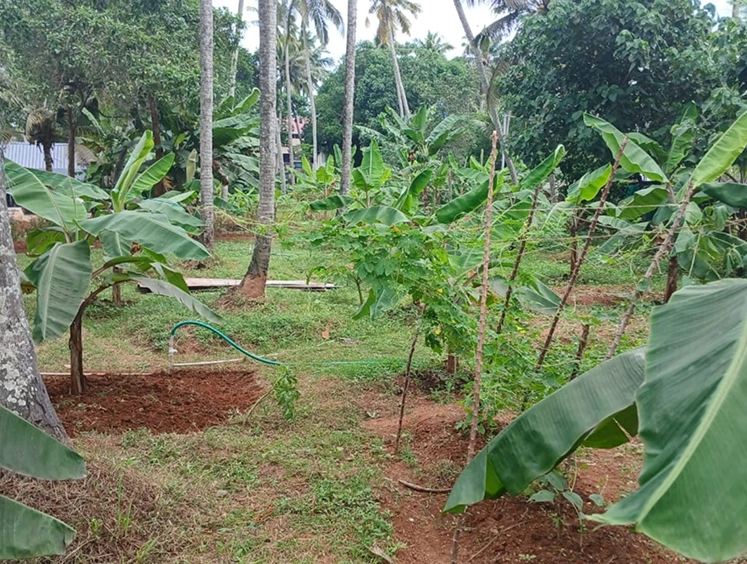
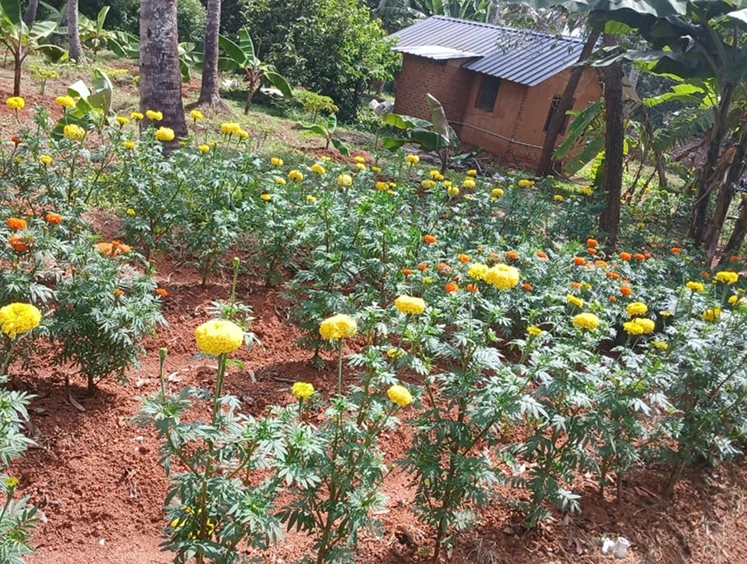
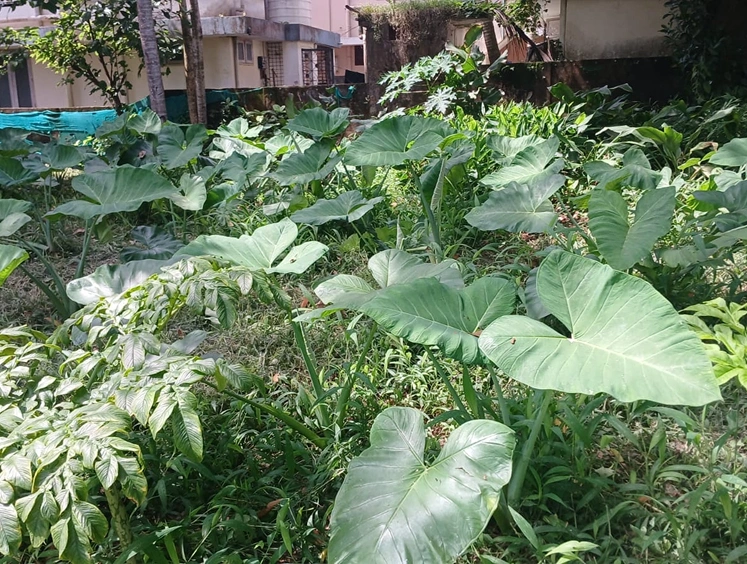
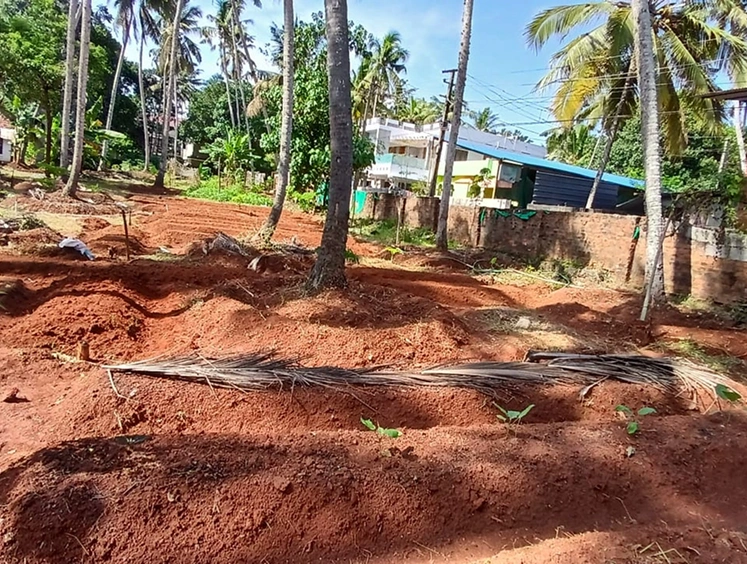
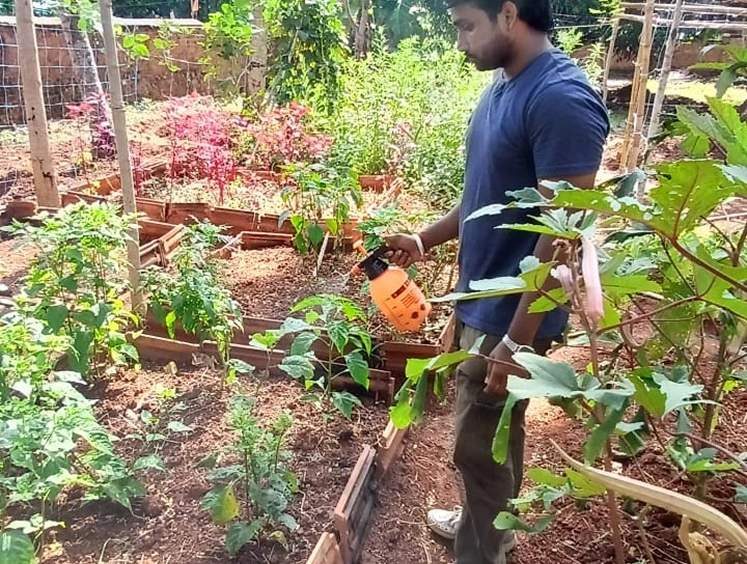
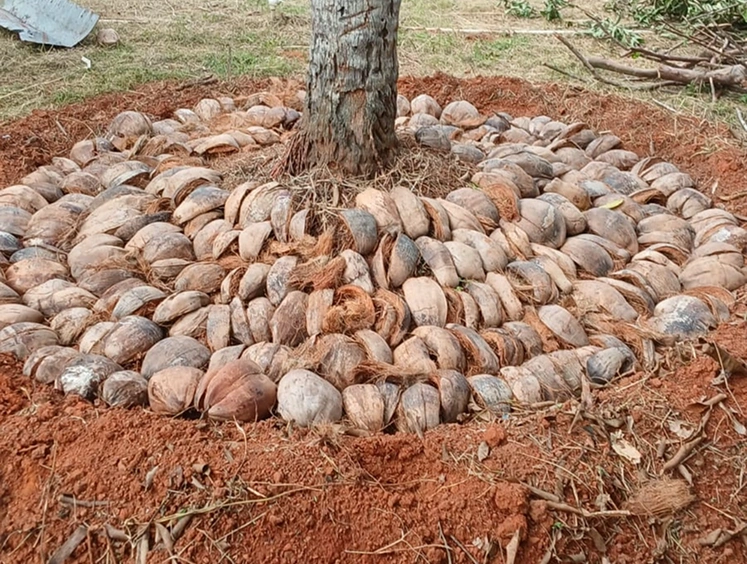
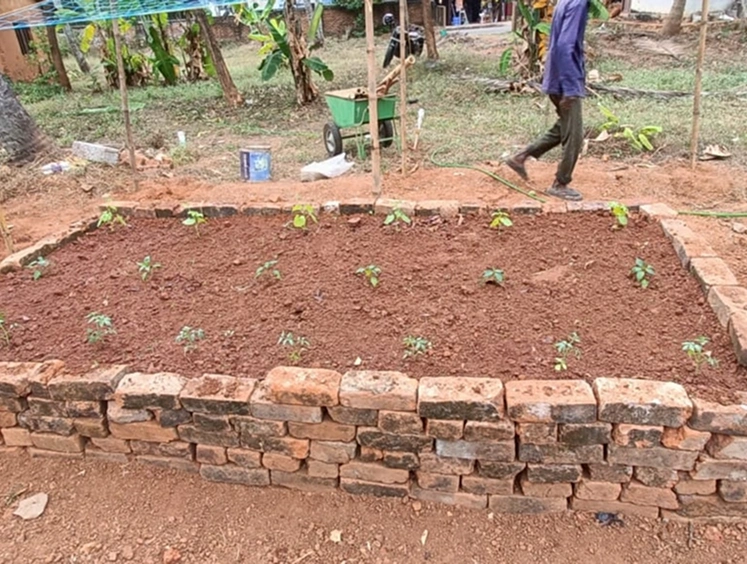
Kovalam Demo Farm
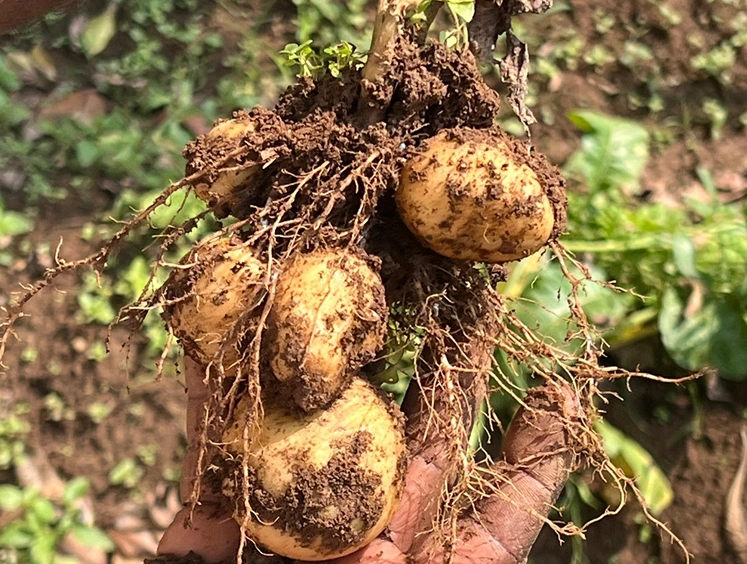
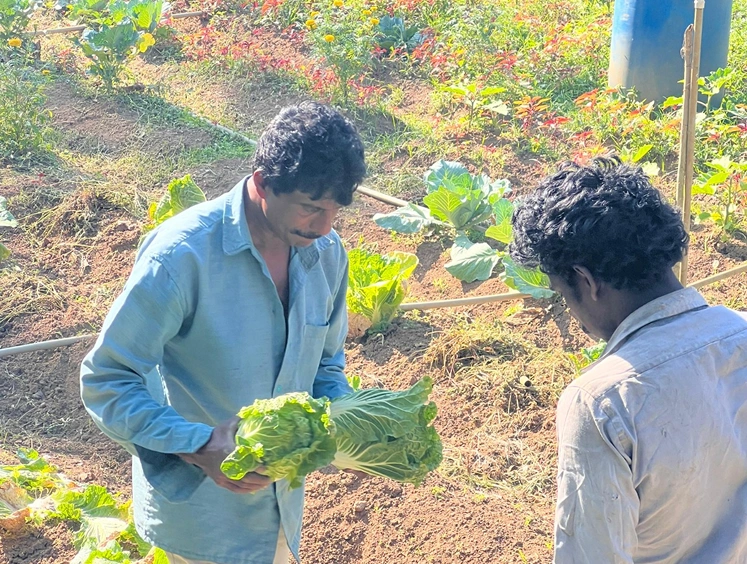
The Kovalam Demo Farm functions as a living classroom for agroecology, serving farmers, students, urban gardeners, and communities from across Kerala. Designed as a hands-on training hub, the farm demonstrates how organic and climate-resilient farming practices can be applied in both rural and urban contexts.
The site addresses the growing dependence on chemical inputs and the limited practical exposure to organic methods by showcasing cultivation techniques such as mixed cropping, intercropping, crop rotation, and kitchen garden models. Through direct engagement with the land, participants learn how ecological practices can restore soil health, reduce input costs, and improve food quality.
Key Outcomes
- Improved farmer and community knowledge on organic input preparation
- Replication of kitchen garden and intercropping models by urban and peri-urban growers
- Regular training sessions on organic and agroecological practices
- Sale of organically grown produce and flowers through Thanal’s Organic Bazaar
The Kovalam Demo Farm demonstrates how small-scale, replicable models can inspire wider adoption of agroecology and climate-resilient food systems.
Thanal Agro Ecology Centre (TAEC), Panavally
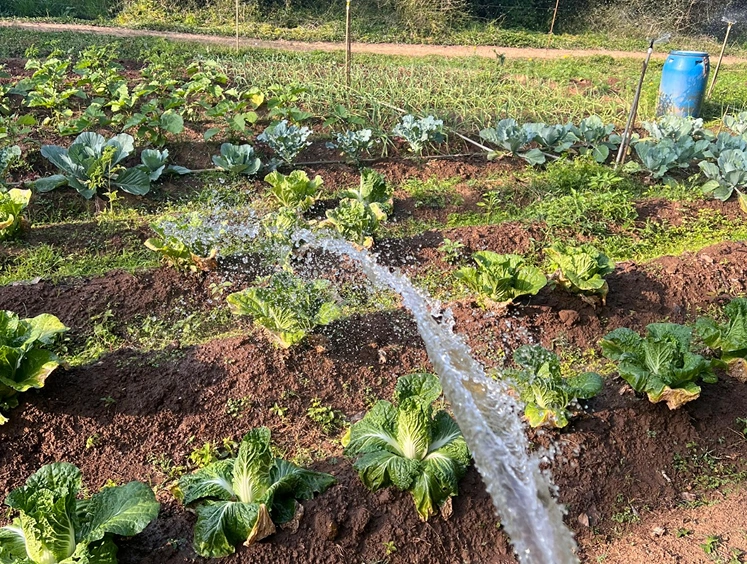
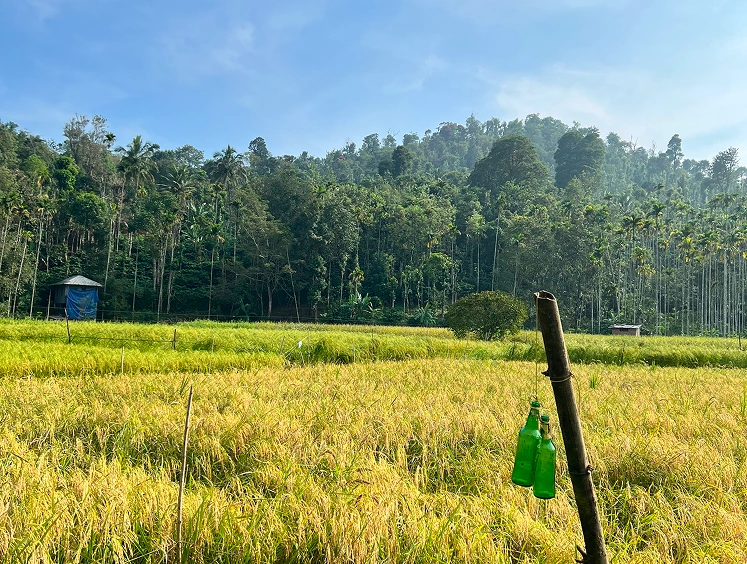
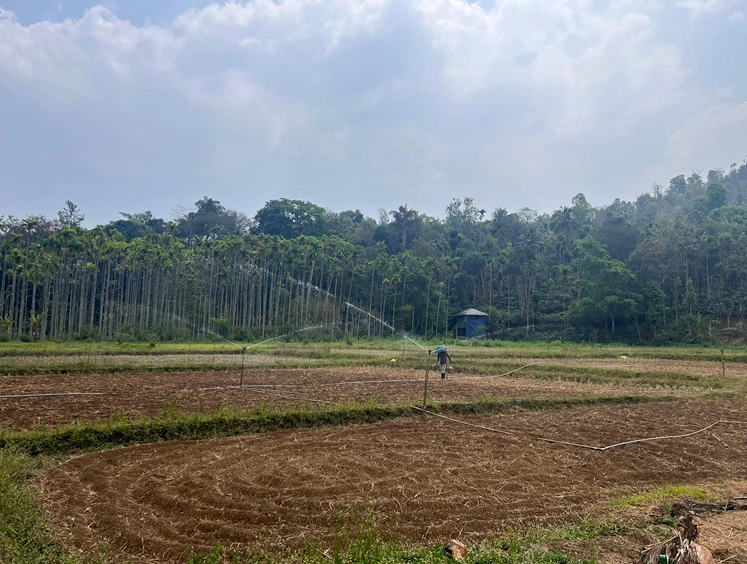
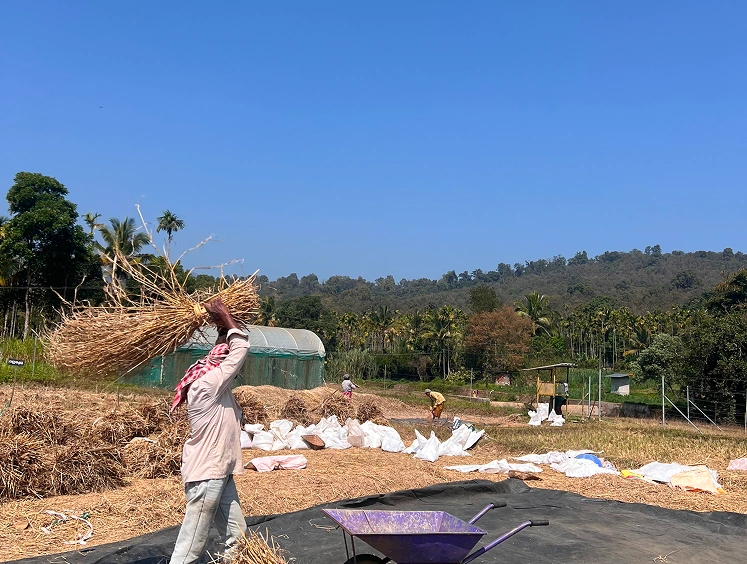
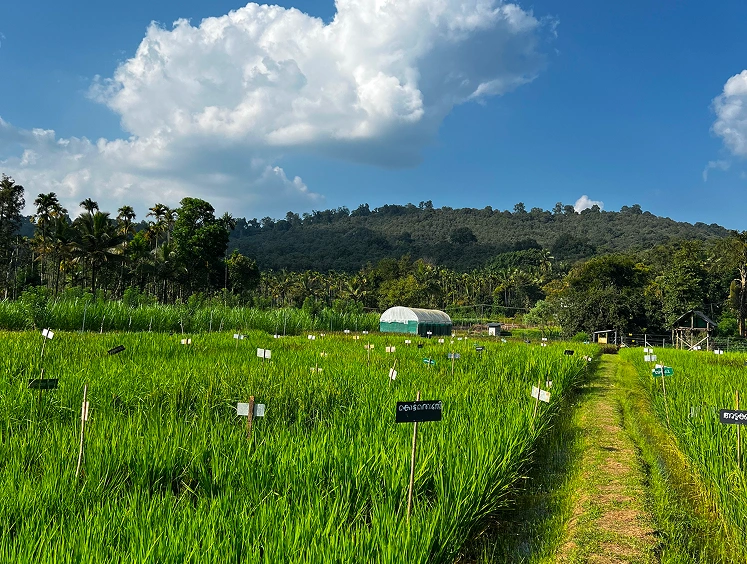
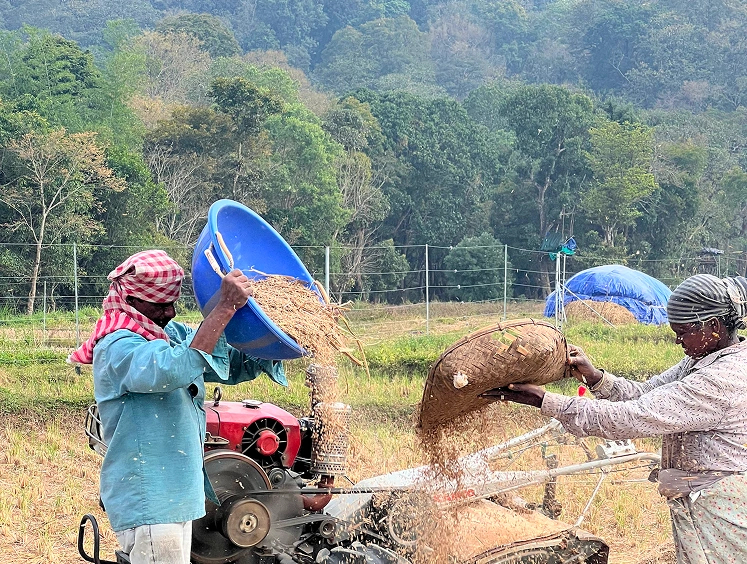
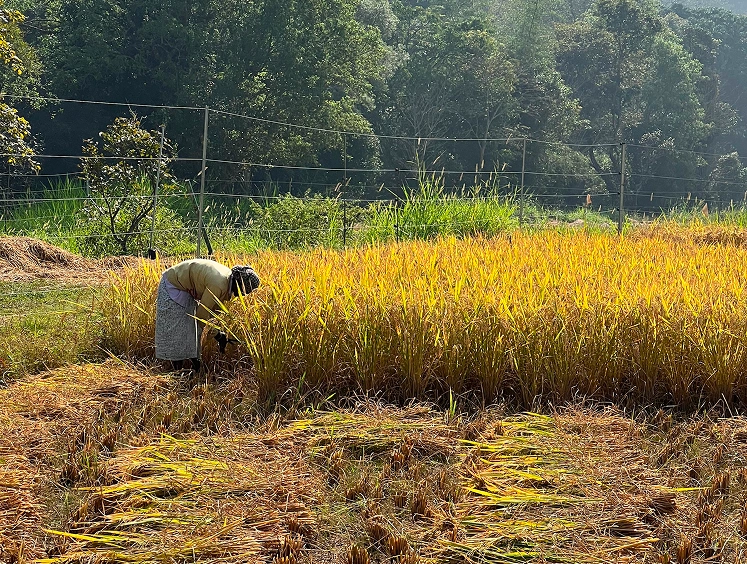
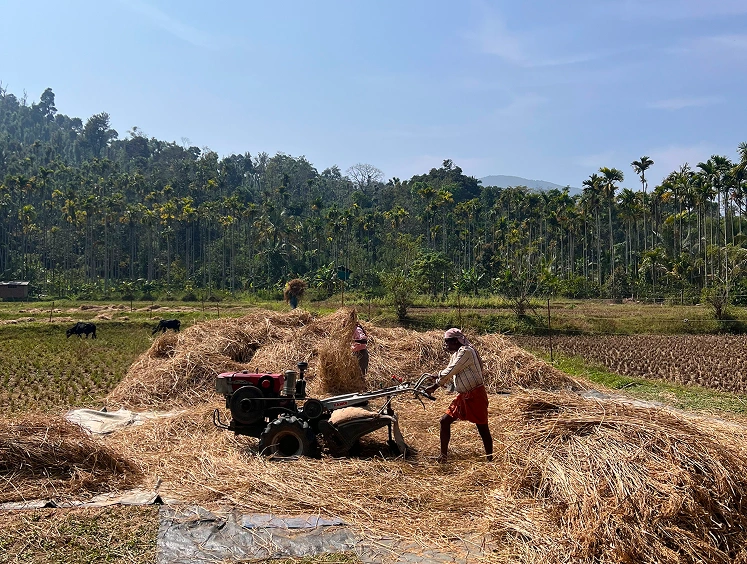
Established in 2010, the Thanal Agro Ecology Centre (TAEC) in Panavally, Wayanad, is Thanal’s flagship centre for agro-biodiversity conservation and experiential learning. The centre plays a vital role in reviving, protecting, and disseminating indigenous agricultural knowledge while supporting climate resilience through agroecological farming.
TAEC functions as a community-led conservation and learning space, where traditional crop varieties, wild edible plants, and medicinal species are preserved alongside active farming systems. Through field visits, learning exchanges, and hands-on training, the centre engages farmers, youth, students, and volunteers in understanding biodiversity as the foundation of sustainable food systems.
Key Outcomes
- Conservation of over 345 traditional rice varieties through community participation
- Protection of 100+ wild edible and medicinal plant species
- Maintenance of rich on-farm biodiversity, including 1,000+ flora and fauna species
- Ongoing engagement of youth, farmers, and volunteers through hands-on agroecology learning
TAEC stands as a long-term demonstration of how agroecology, conservation, and education can work together to sustain biodiversity, strengthen food sovereignty, and nurture future custodians of the land.
Latest News and Updates

Climate Resilient Communities
This campaign stems from two roundtable discussions held in Kerala between September 2016 and January 2017. Thanal, Climate Action Network South Asia, Phia, and UNICEF’s climate change and disaster risk […]

Zerowaste and Climate Action
Zero waste is a unique way one looks at resources – one of the forward looking relevant and profound ways that modern societal change is envisaged in the world today. […]

Sustainable Agriculture and Food Sovereignty
Thanal promotes and supports a sustainable form of agriculture which ensures: Restoration and Protection of biodiversity and the environment. Enhanced incomes for farmers and their families. Food safety and security […]

Living Ecosystem
The current ‘Development’ paradigm unfortunately do not consider the totality of eco systems which supports lives and livelihoods of people. The engines of ‘Development’ which are motivated by temporary profits […]