
Why Butterflies Matter ?
Butterflies are more than fluttering symbols of freedom and beauty —they are essential to the planet’s survival. They play a crucial role in nutrient cycling by supporting plant growth through pollination. According to the United Nations Environment Programme (UNEP), butterflies are among the most important pollinators, contributing to the reproduction of 75% of flowering plants. In fact, one in every three bites of food we consume depends on pollinators like butterflies.
Yet, their survival is at risk. Several international studies, including those from the Intergovernmental Science-Policy Platform on Biodiversity and Ecosystem Services (IPBES) and recent global biodiversity assessments, have documented a sharp decline in butterfly populations due to habitat loss, pesticide use, and climate change—alarming indicators of broader ecological imbalance.
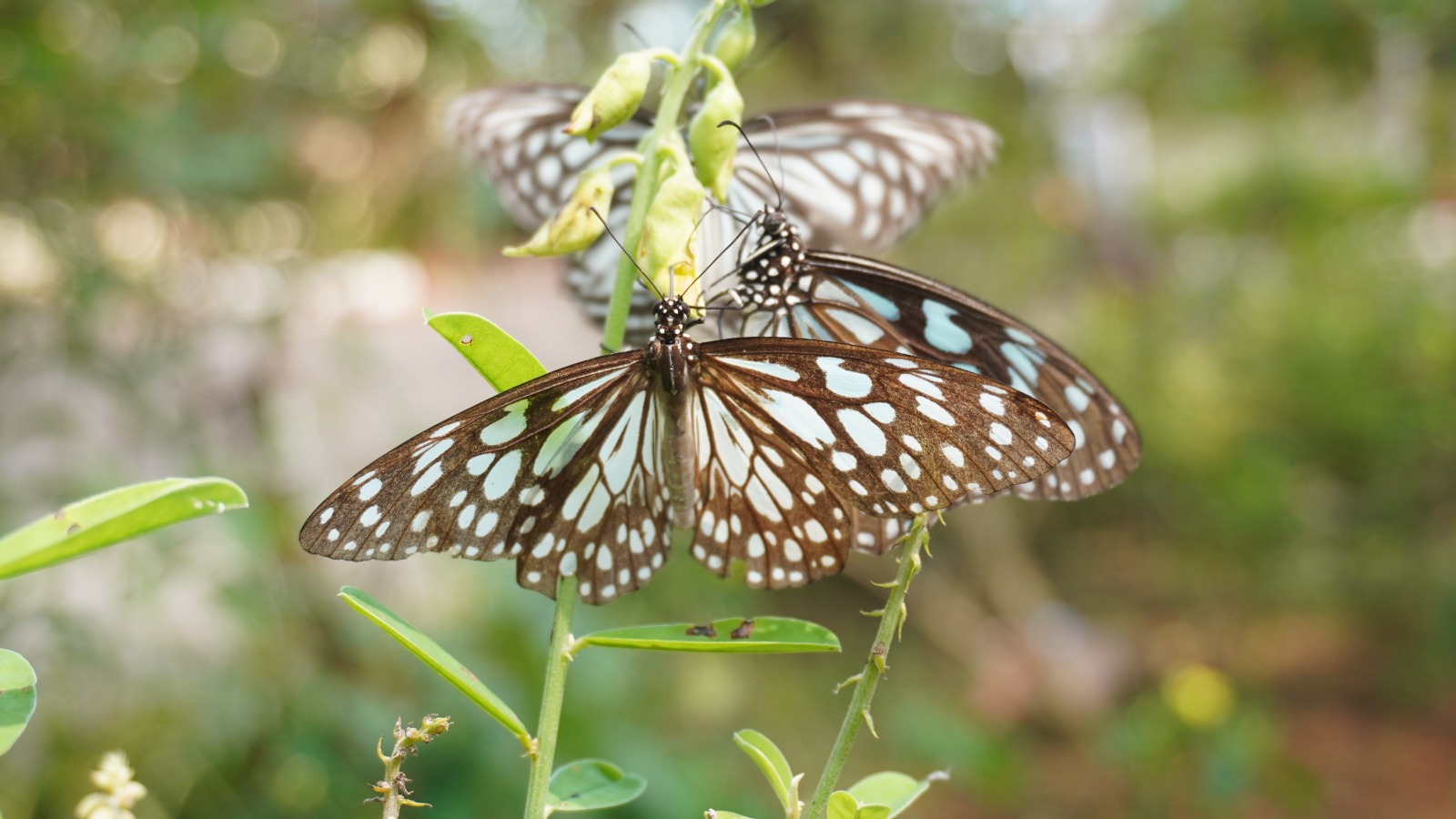
In response, creating butterfly-friendly habitats in schools is a powerful and educational step toward reversing this trend. It provides not only a sanctuary for pollinators but also serves as a real-life classroom where young minds can experience the importance of biodiversity, conservation, and ecological responsibility firsthand.
To take action, Thanal, in partnership with KIMS Health, launched a Butterfly Garden initiative across Thiruvananthapuram District. This program was specifically designed for school communities, with a focus on equipping children with both ecological knowledge and hands-on conservation skills from a young age.
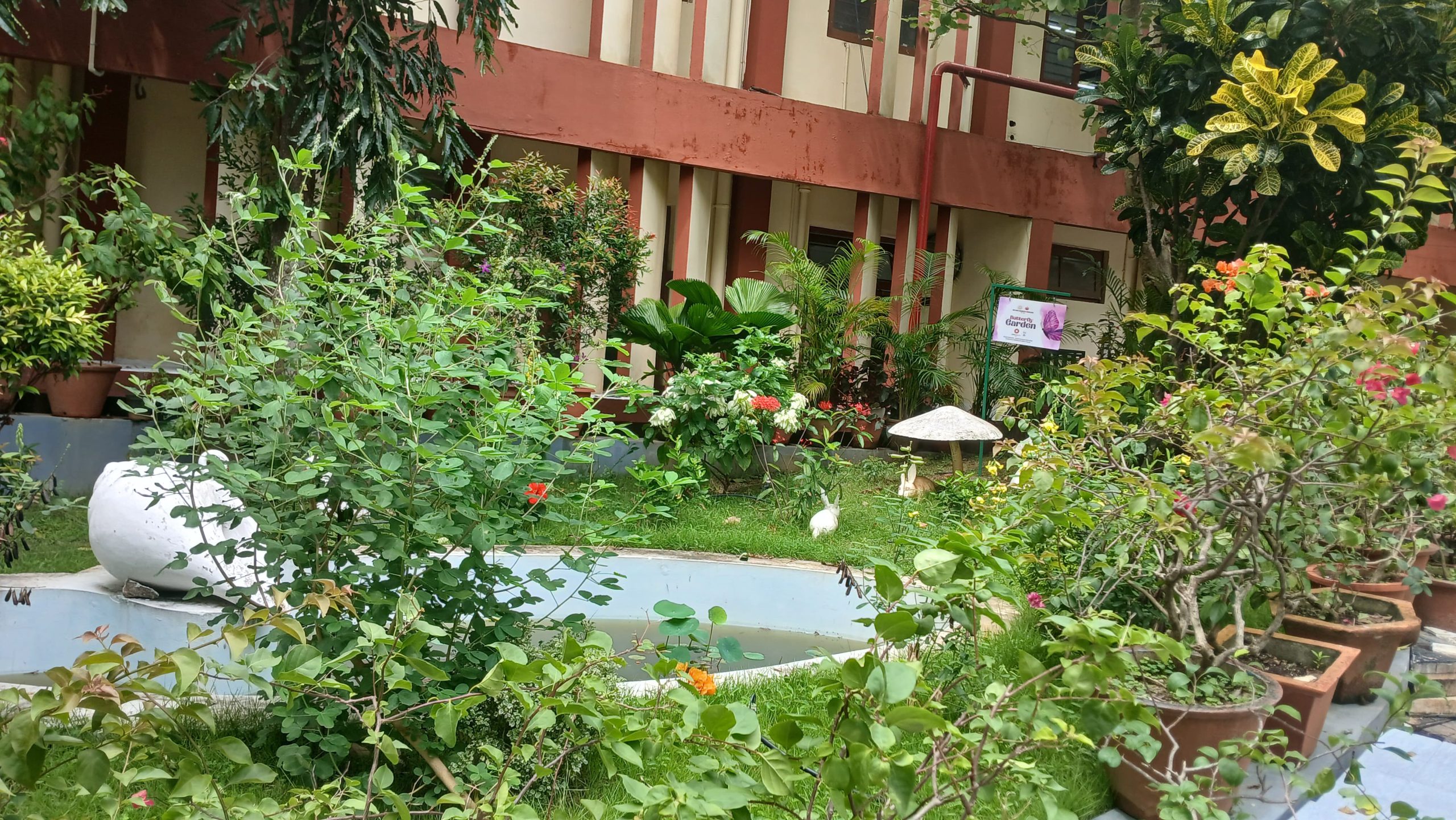
Each butterfly garden was designed using native plants selected to support the entire butterfly life cycle—from host plants for caterpillars to nectar plants for adult butterflies. These gardens are now living classrooms where students observe nature, understand pollination, and develop a lasting relationship with the environment.
Our Response in Schools
21
SCHOOLS PARTICIPATED
21
BUTTERFLY GARDEN ESTABLISHED
220+
STUDENTS TRAINED
Butterfly Garden Activities
Training & Education
Students attended structured classroom sessions and engaging field visits. The training was divided into two parts: the first part focused on a day in the life of a butterfly and factors to be considered while setting up a butterfly garden; the second part included a live demonstration of garden maintenance. This foundational knowledge gave them the confidence to become caretakers of biodiversity.
Garden Planting
Thanal led the planting process in each school, selecting native plants for their ecological value—to attract butterflies and support their full life cycle. Students and teachers participated in garden layout planning and learned the role of each plant in sustaining pollinators.
Monitoring & Care
Students became daily observers. The student volunteers were trained on how to take care of the plants, and accordingly, they began regular maintenance by watering, observing butterfly activity, and ensuring plant health. This hands-on care helped them develop a sense of responsibility and basic ecological monitoring skills.
Growing Eco-Awareness
Students learned how a caterpillar transforms into a beautiful butterfly and how pollination occurs—through their own eyes. They experienced the joy of seeing butterflies fluttering around their school grounds and often spent their free time playing near the gardens. This direct exposure gave them a real-life understanding of pollination, far beyond what textbooks could offer. Some students even got the chance to see a pupa in real life. This immersive experience helped them build a deeper emotional and ecological connection with nature.
Plants That Made the Difference
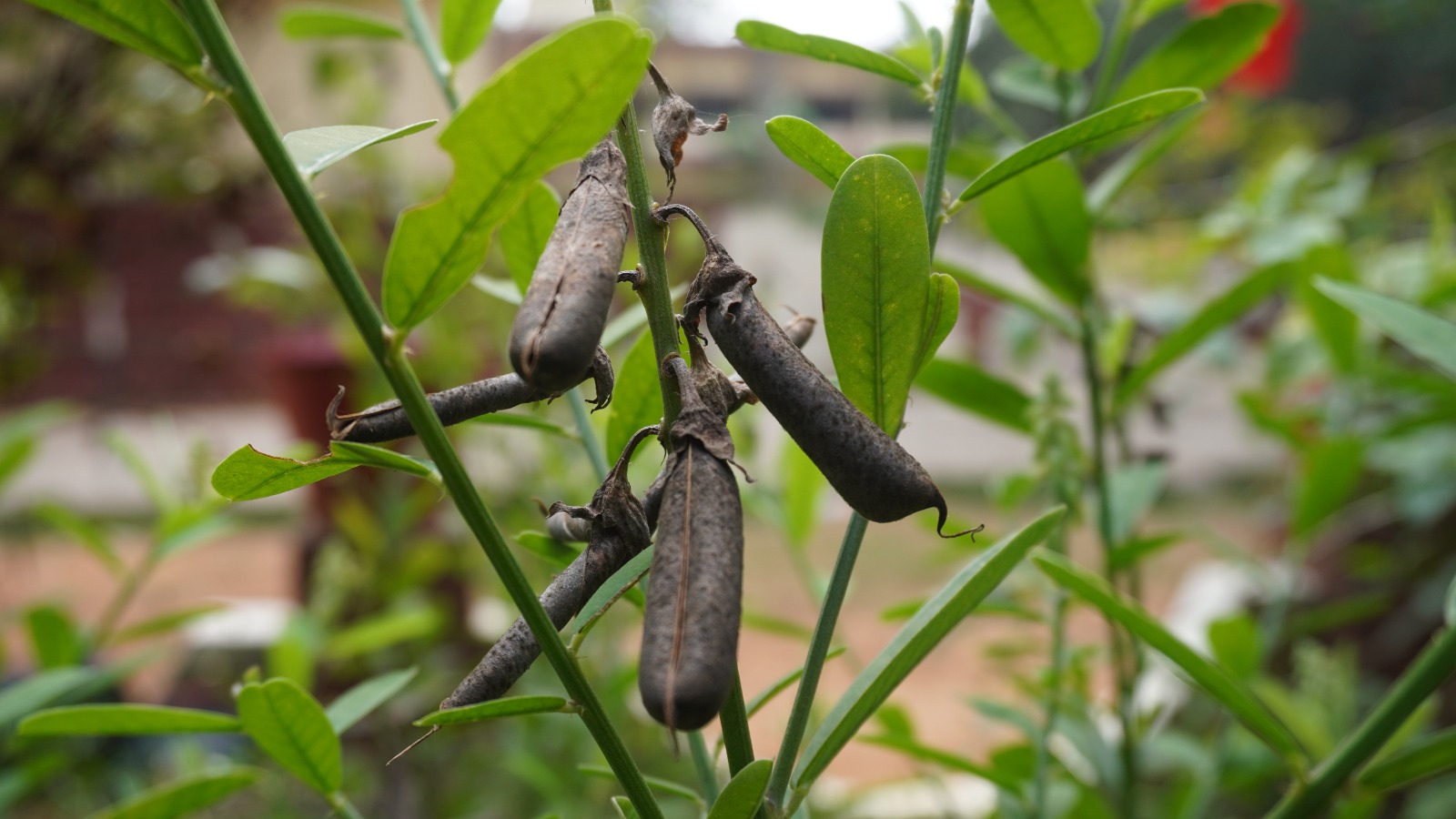
Crotalaria retusa ((Kilukki)
A nitrogen-fixing plant known to attract butterflies and support caterpillar stages.
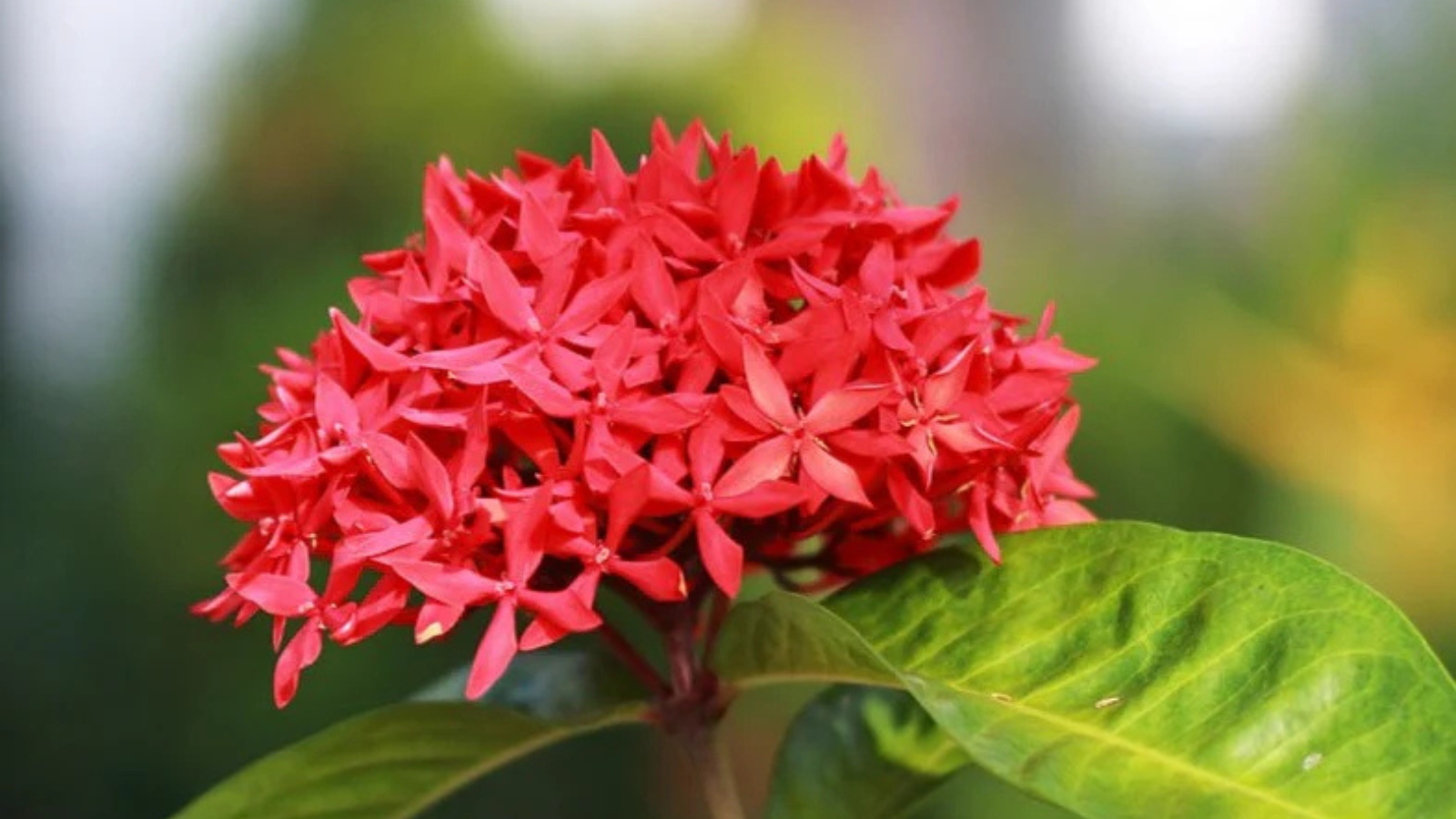
Ixora sps. (Thetti)
A vibrant flowering plant offering abundant nectar to adult butterflies.
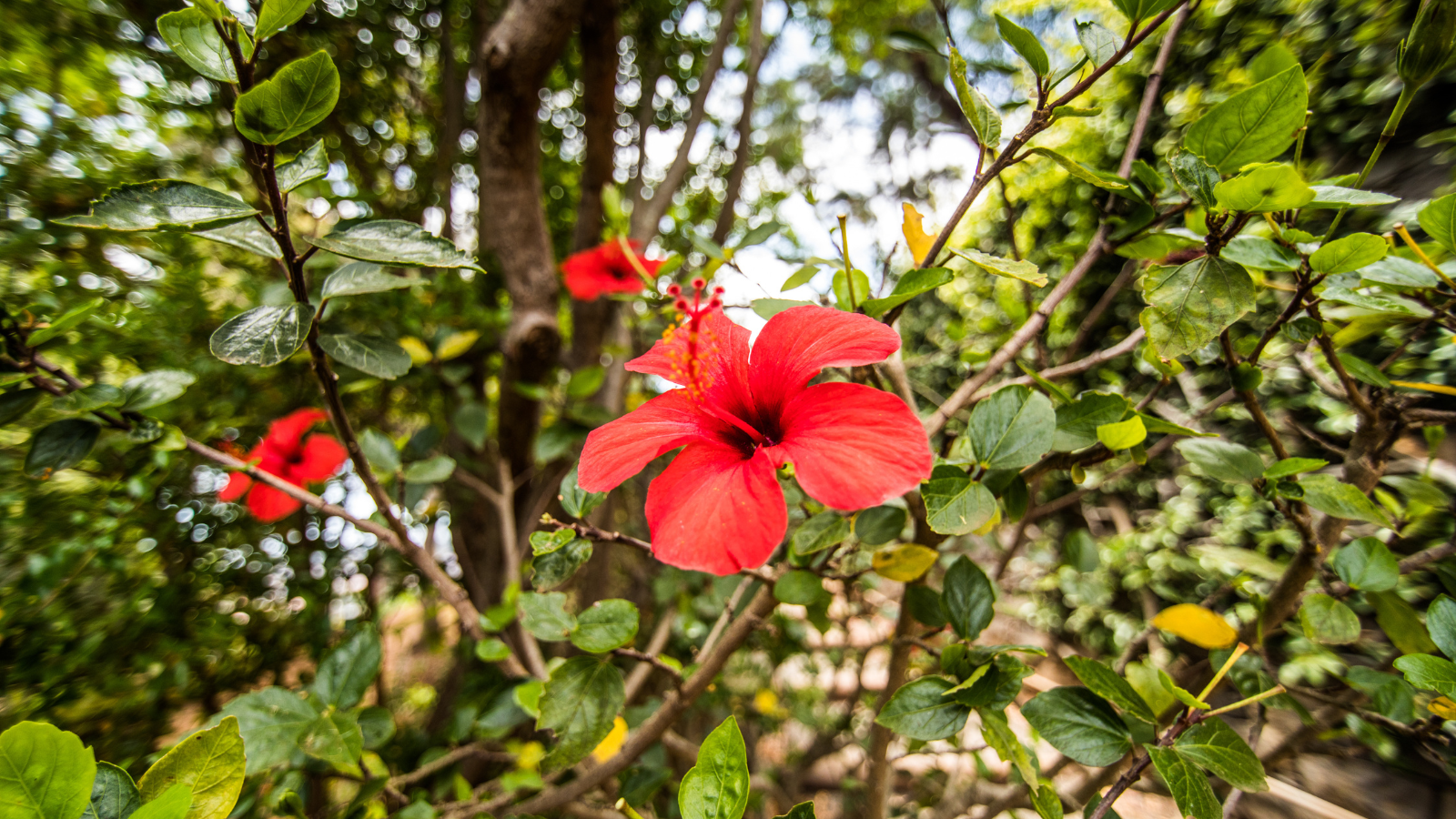
Hibiscus rosa-sinensis (Chembaruthi)
Popular for its large blooms, it’s a reliable nectar source.
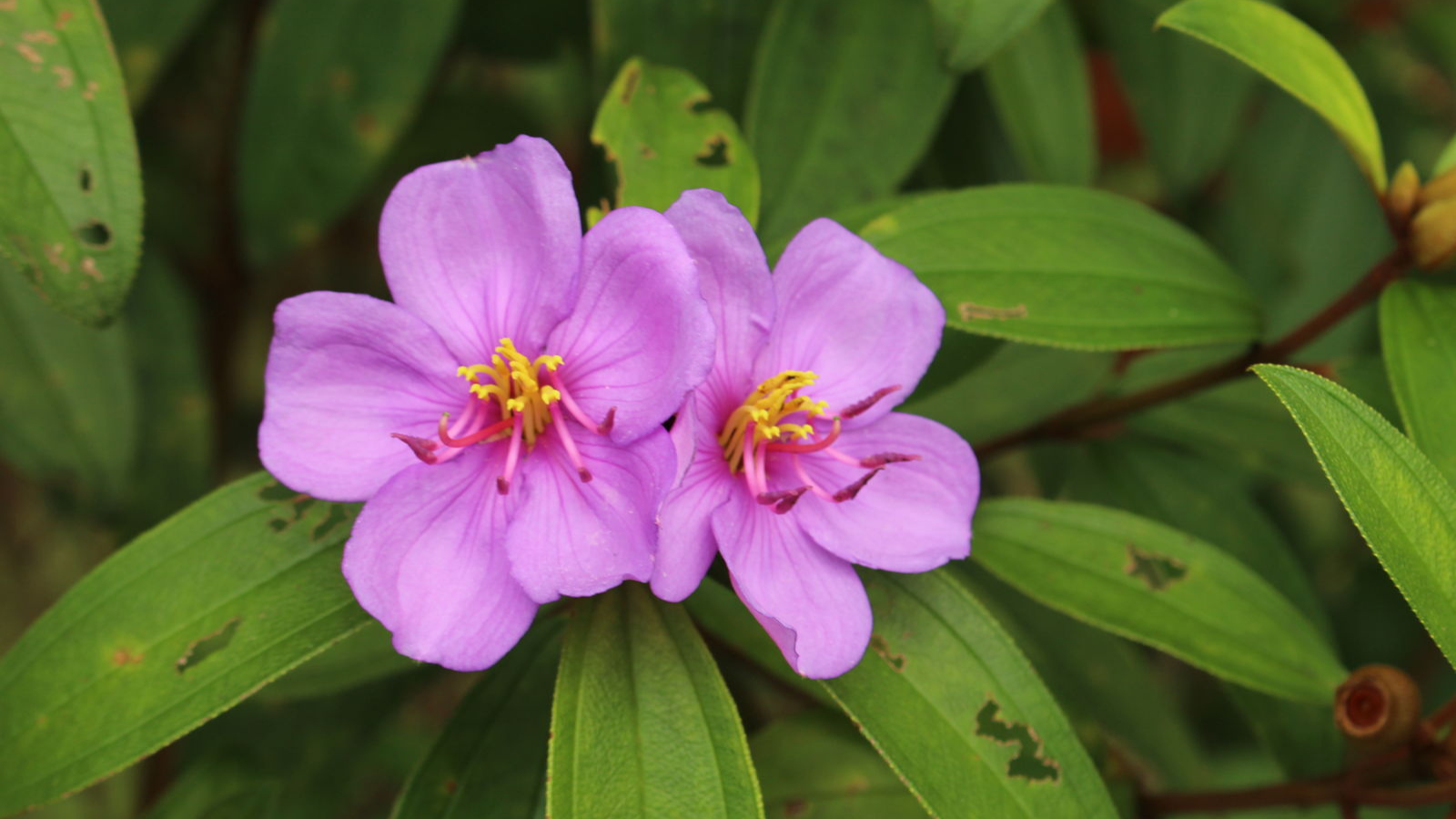
Melastomia
Supports nectar needs and provides shelter for butterfly eggs.
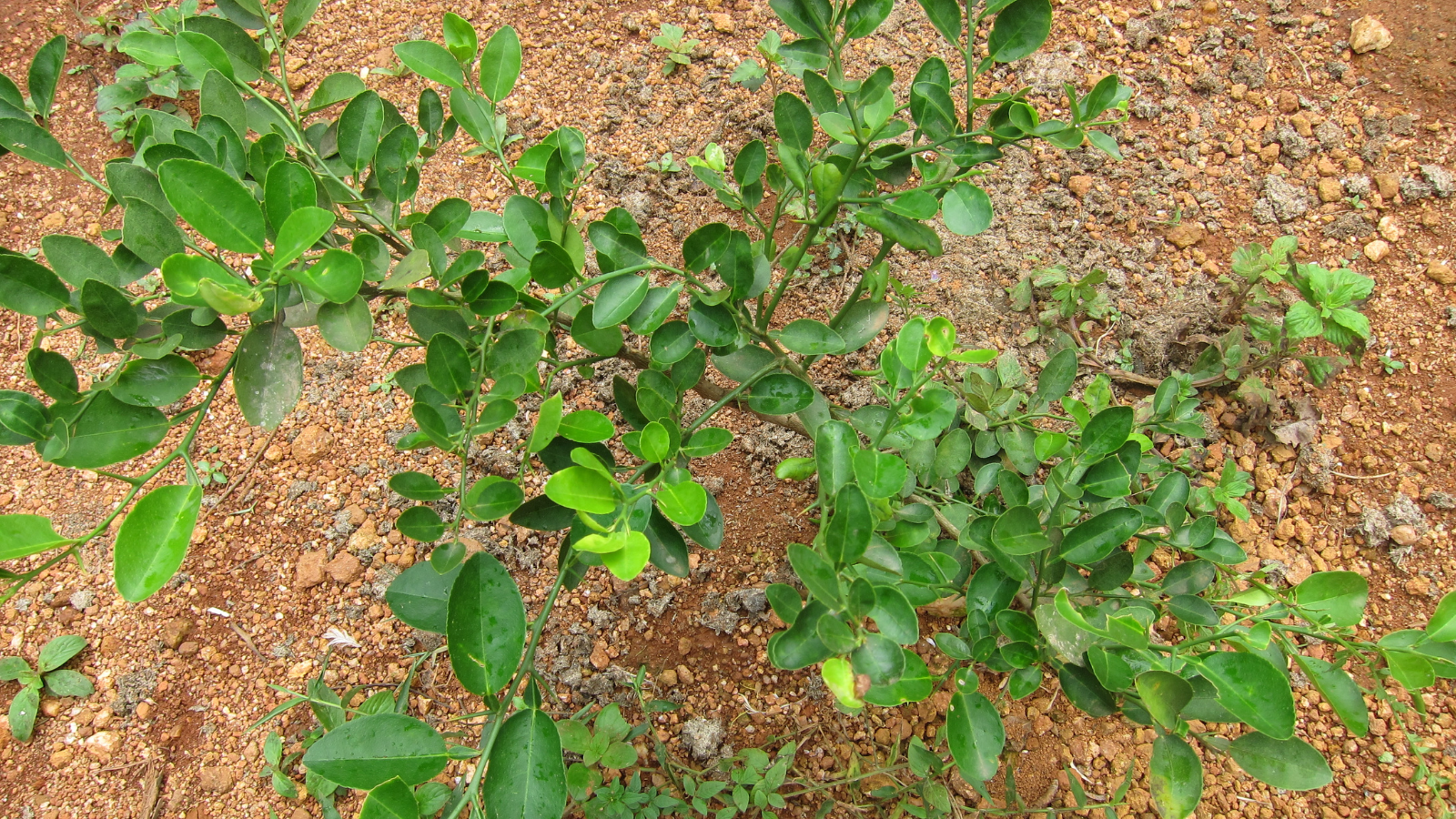
Citrus sps. (Cherunarakam)
Host plants for species like the Common Mormon butterfly.
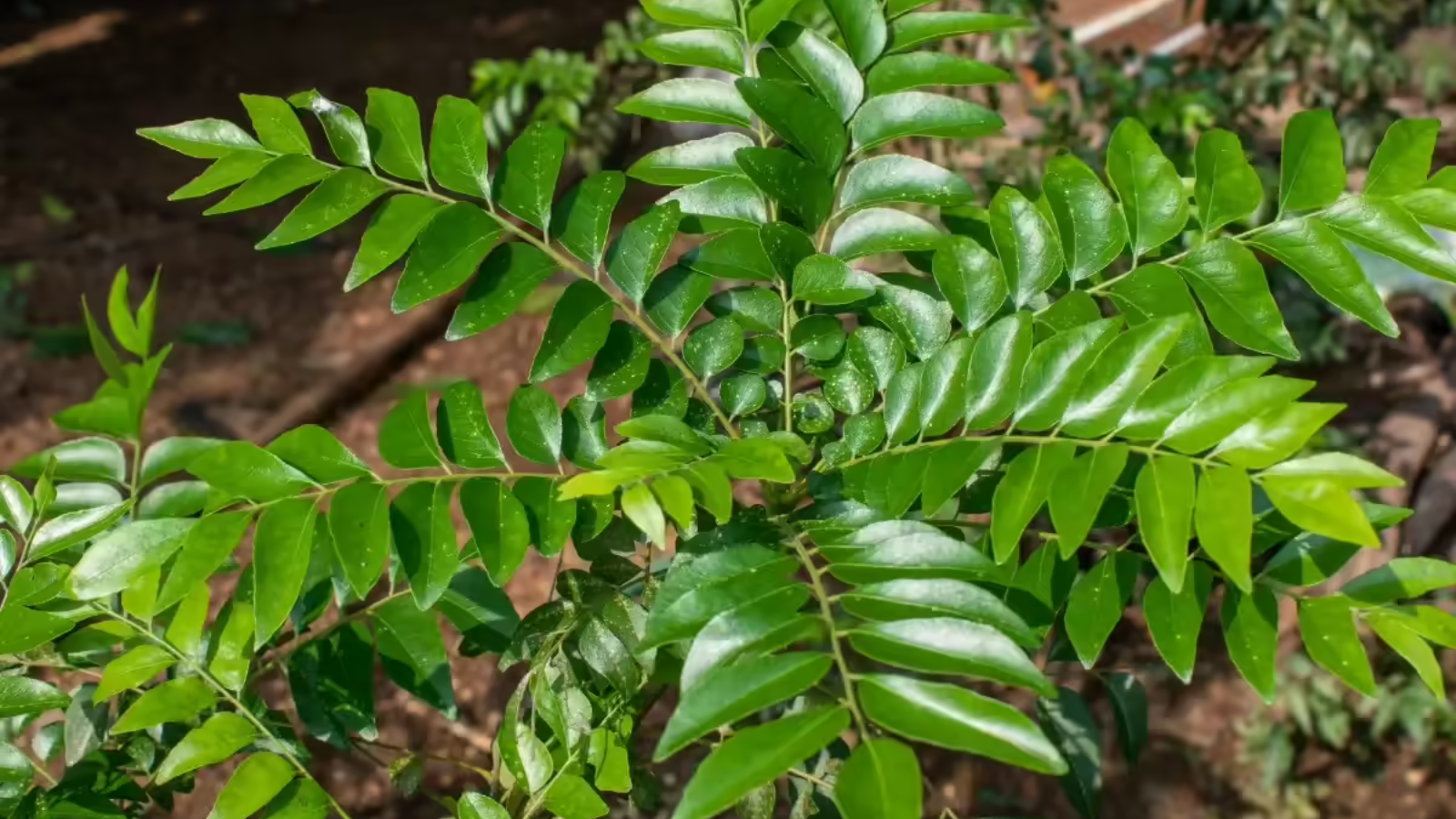
Curry Leaves (Karivepila)
Essential host plant for Swallowtail butterfly caterpillars.
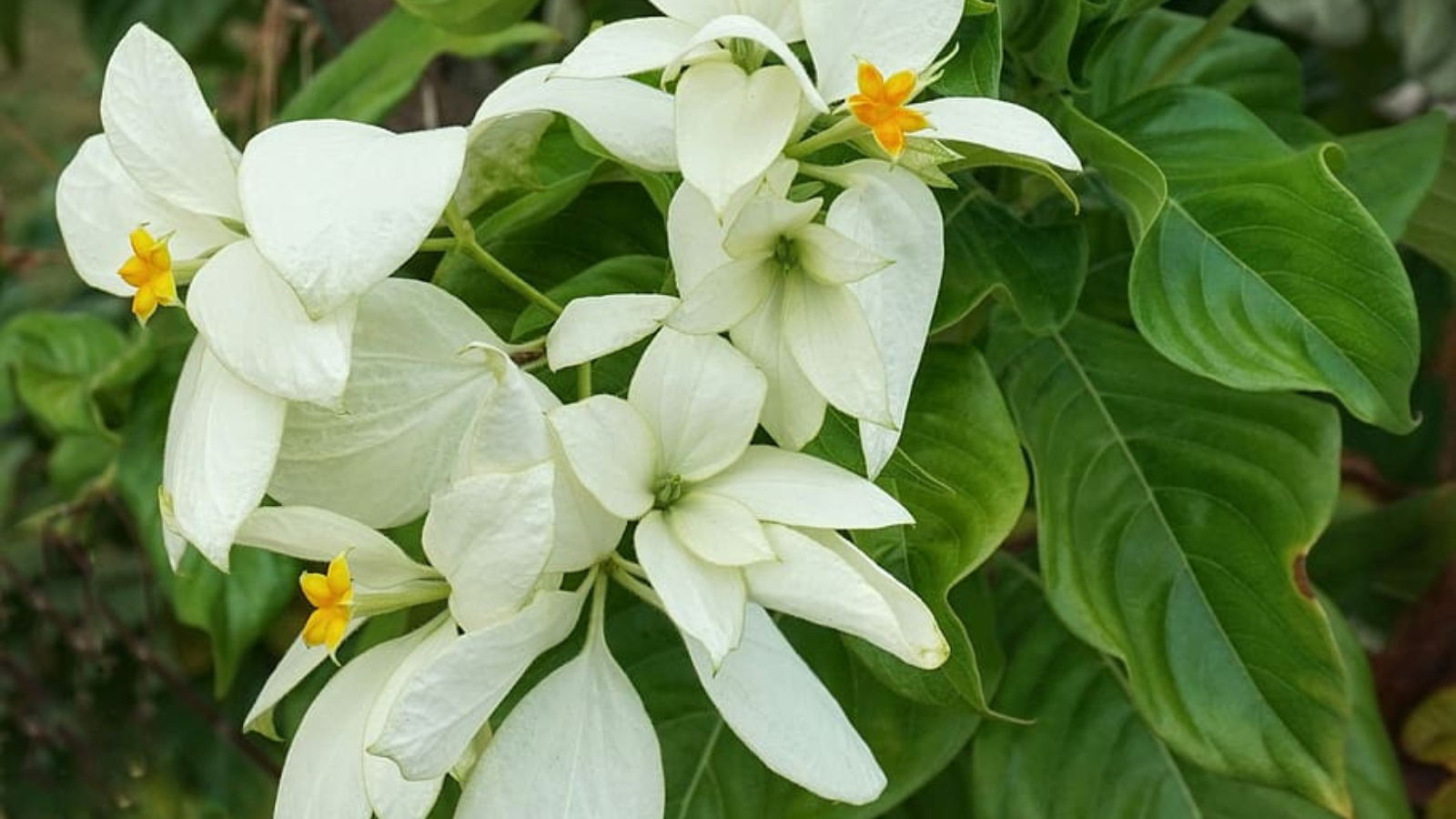
Mussaenda (White flower)
Decorative yet useful in drawing nectar-loving butterflies and leaves of mussenda helps butterflies to escape from predators.
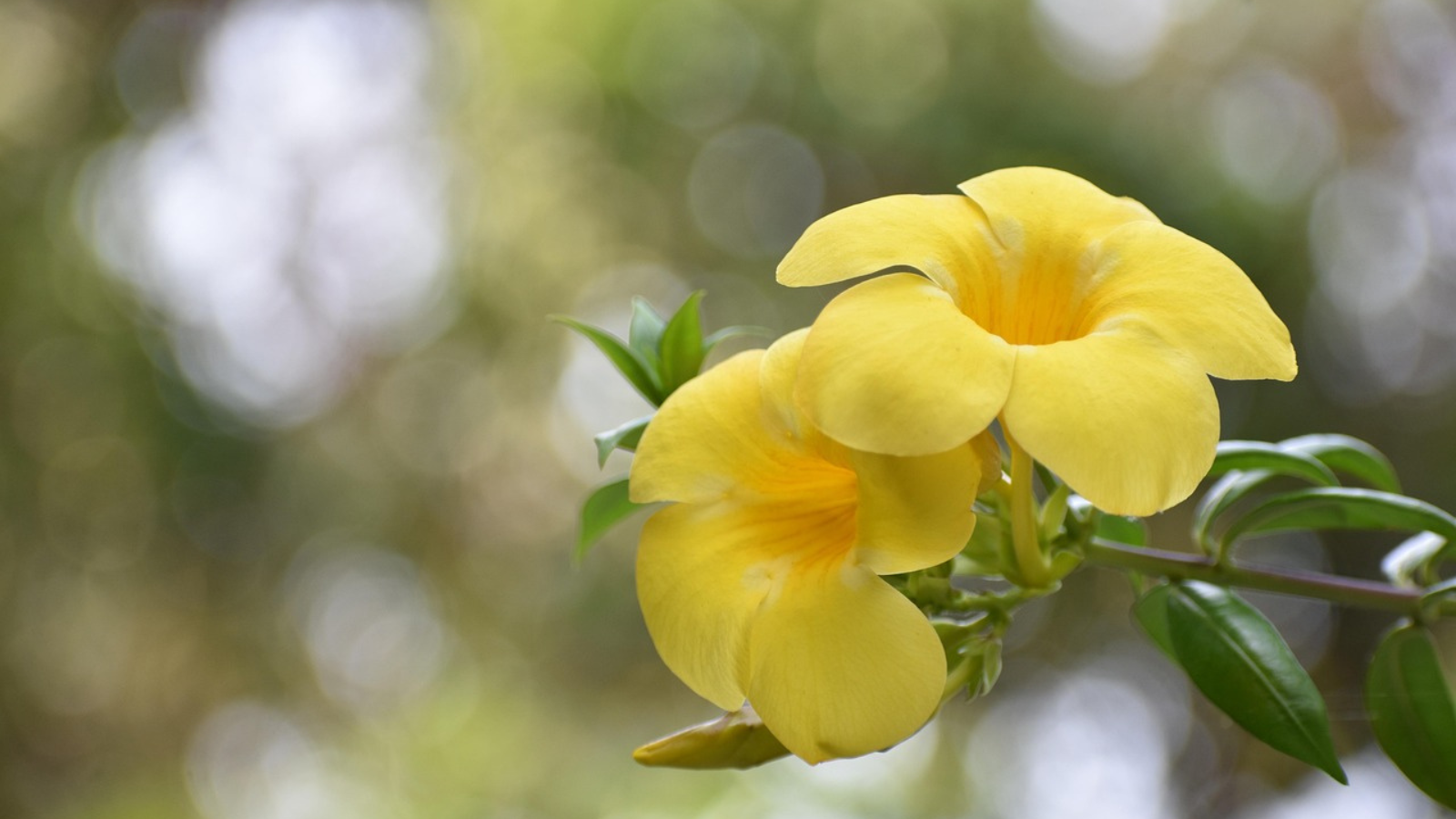
Allamanda (Kolambi)
Offers vibrant yellow flowers that are visually attractive to pollinators.
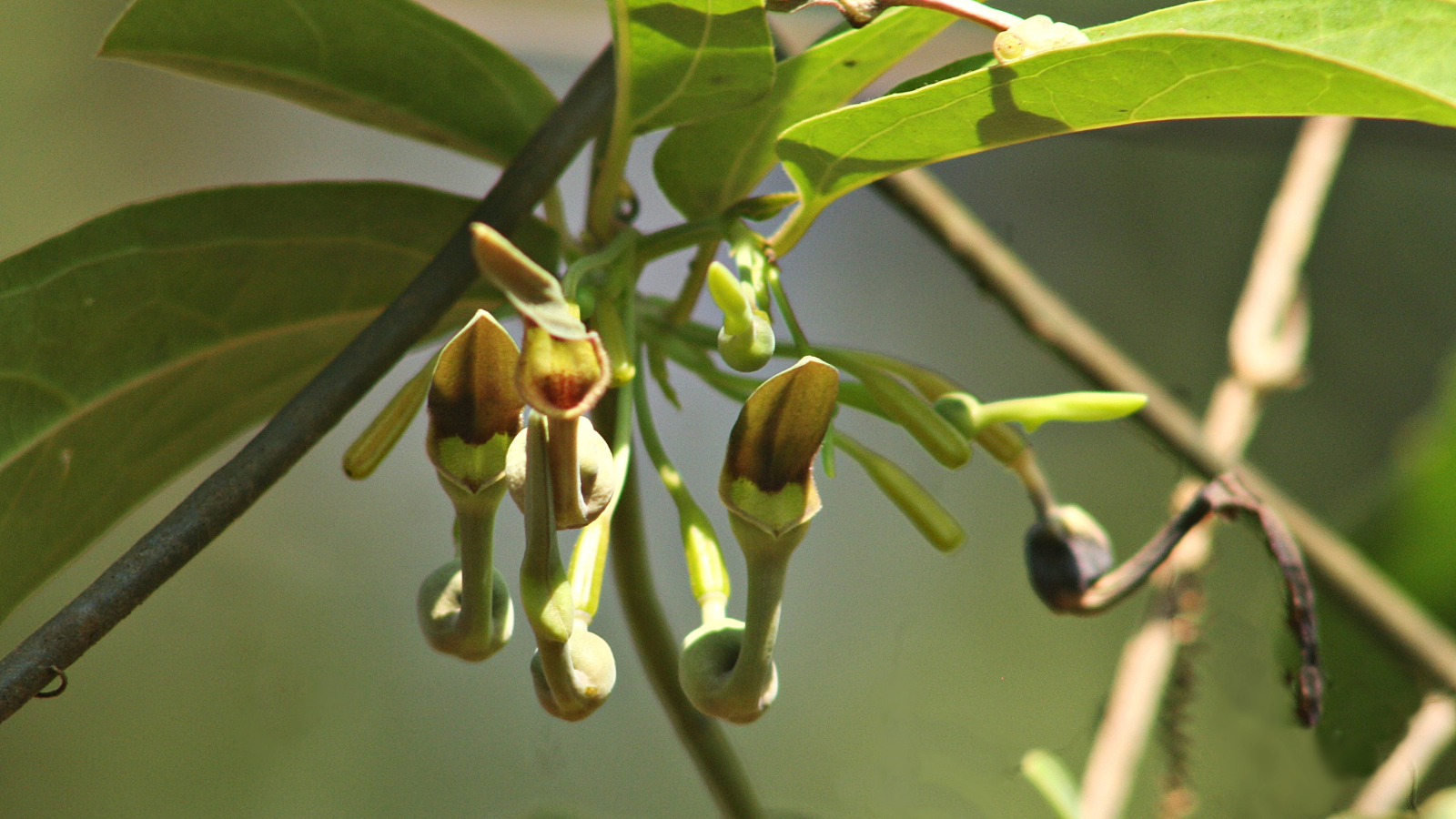
Aristolochia indica (Garudakodi)
Critical host plant for the Southern Birdwing, Kerala’s state butterfly.
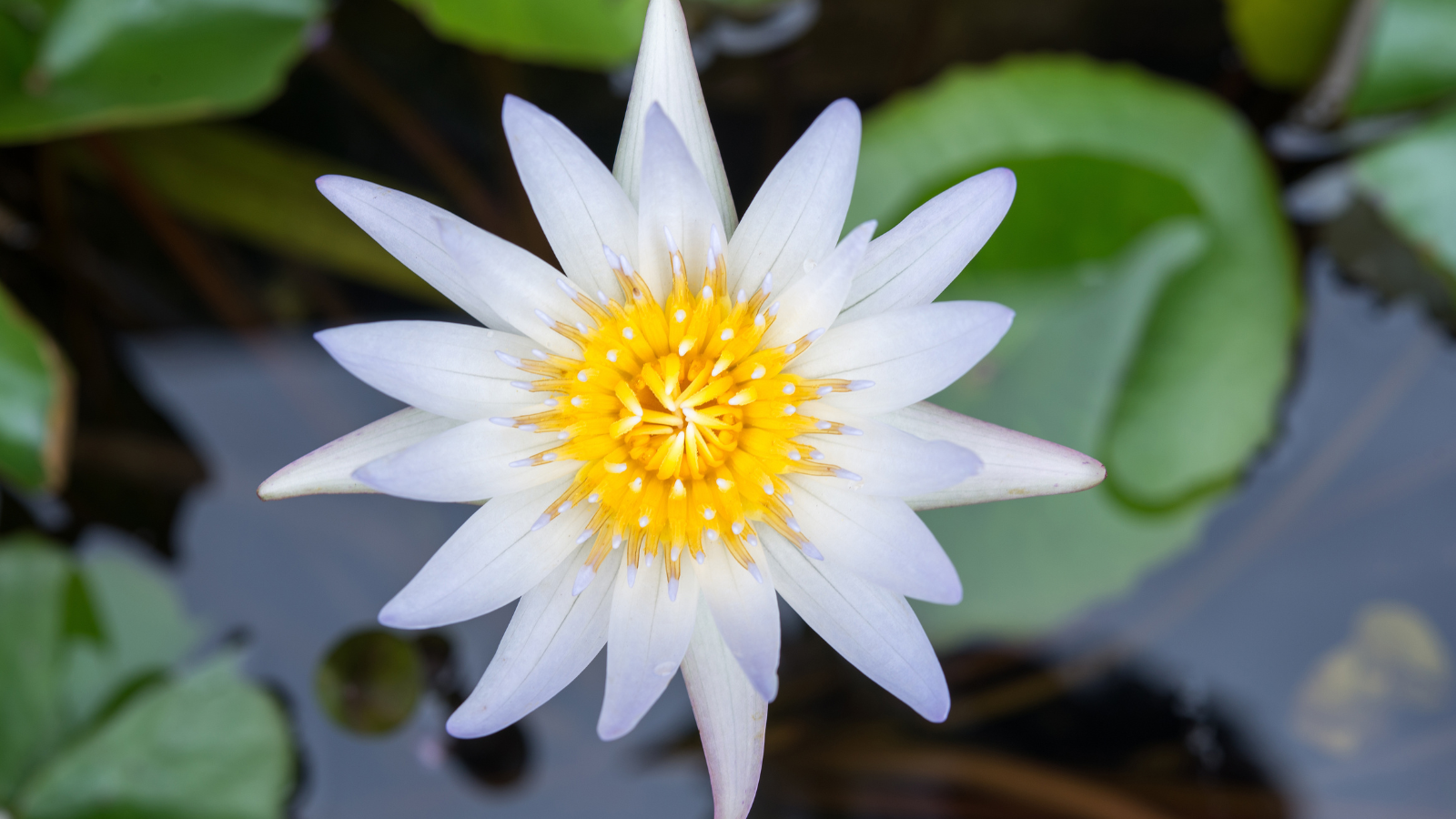
Waterlilies
These aquatic plants add ecosystem diversity and provide nectar access near water features.
A Garden That Stood Out
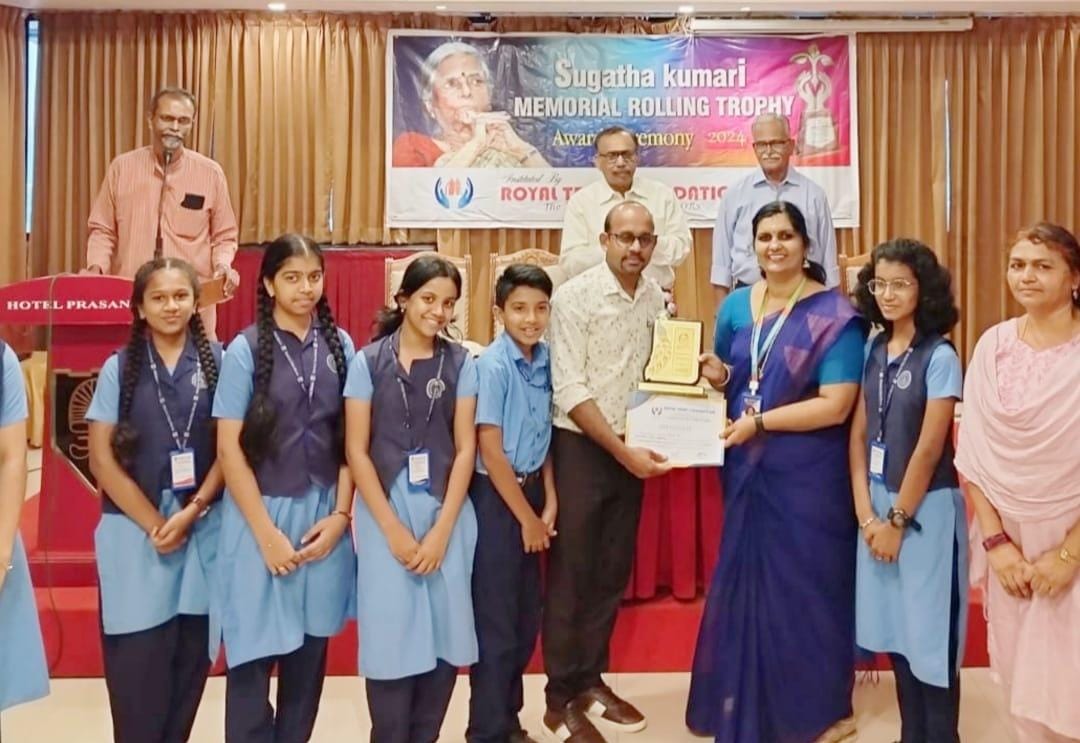
A highlight of the initiative came when Bharatiya Vidya Bhavan, Kodunganoor, received a Special Mention Award in the Sugathakumari Memorial Rolling Trophy Contest 2024, organized by the Royal Treat Foundation.
Their butterfly garden, part of this project, was recognized for its outstanding contribution to pollinator conservation. During the evaluation, the judging panel even spotted rare butterfly species, showcasing the ecological success of the school’s efforts.
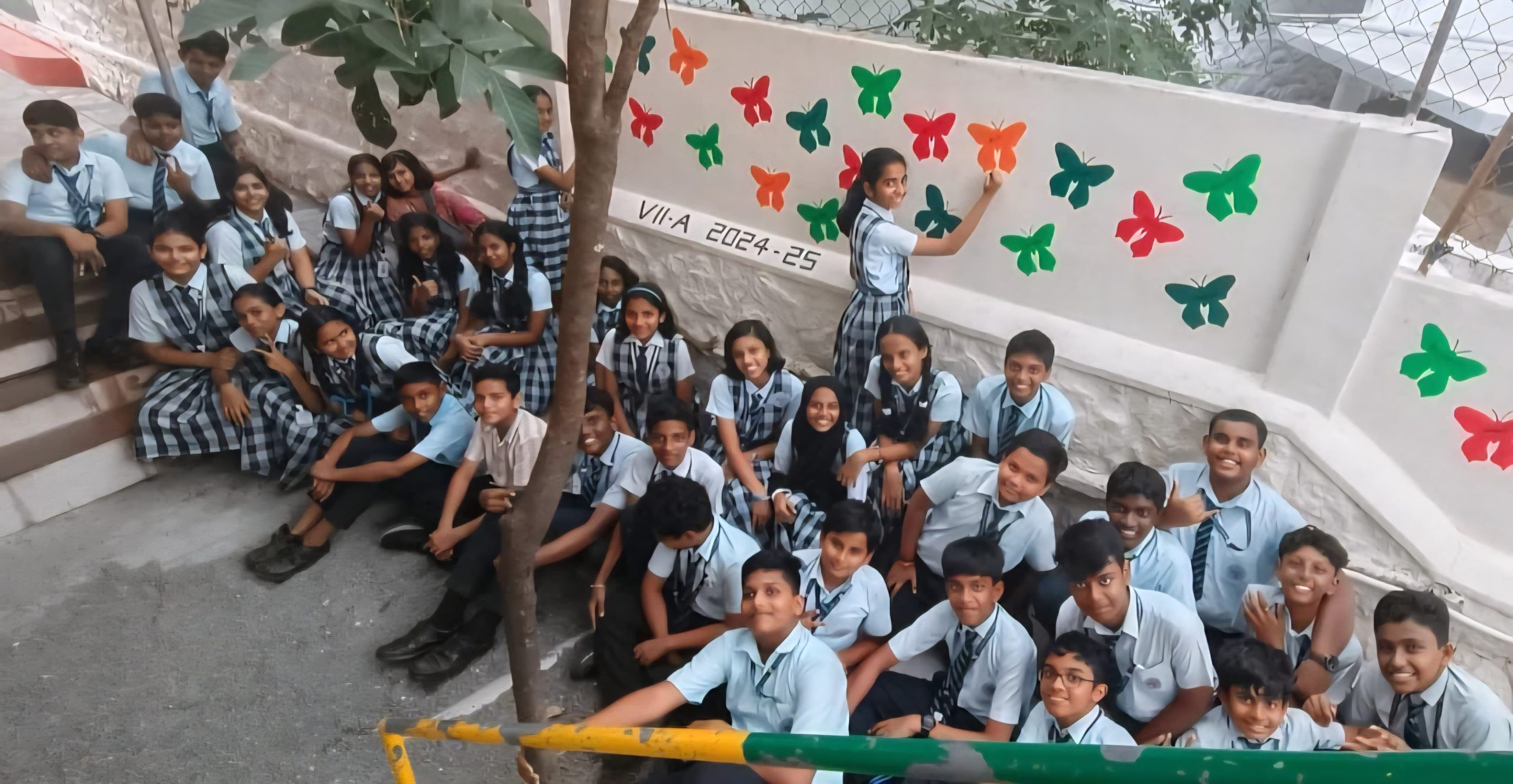
Another inspiring moment came from St. Shantal School, Kowdiar, where the seventh-grade students marked their farewell by painting butterflies on their school wall and signing their names—a heartfelt symbol of their connection to nature and their journey. This creative act captured the spirit of the Butterfly Garden Project—fostering emotional bonds with the environment and encouraging self-expression through nature.
We are proud to be associated with both schools through the Butterfly Garden Project supported by KIMS Healthcare Management Ltd., and we celebrate these young minds for embracing conservation, creativity, and a deeper connection with the world around them.
Impact That Goes Beyond the Garden
- Enhanced Urban Biodiversity: By planting native flora, schools contributed to building pollinator corridors in urban areas.
- Student Empowerment: Over 220 students became directly involved in environmental action.
- Replicable Model: The program set a blueprint that can be easily adopted by other schools, communities, and institutions.
- Award-Winning Outcomes: Formal recognition validated the model’s effectiveness and ecological value.
- Long-Term Stewardship: Students developed emotional and practical connections to nature, paving the way for lifelong environmental responsibility.
Here are some actions you can take to help preserve bees and other pollinators
- Plant nectar-bearing flowers such as marigolds or sunflowers for decorative purposes on balconies, terraces, and gardens.
- Buy honey and other hive products from your nearest local beekeeper.
- Raise awareness among children and adolescents on the importance of bees, butterflies and express your support for beekeepers.
- Set up a pollinator farm on your balcony, terrace, or garden.
- Preserve old meadows, which feature a more diverse array of flowers, and sow nectar-bearing plants.
- Cut grass on meadows only after the nectar-bearing plants have finished blooming.
Our Approach to CSR Partnerships
Thanal works with CSR partners to co-create community-centred, ecologically responsible initiatives. Each project is designed for long-term relevance, local ownership, and sustainability beyond the funding period.